
LightGrams
July 2, 2026
Volume 30, Number 23
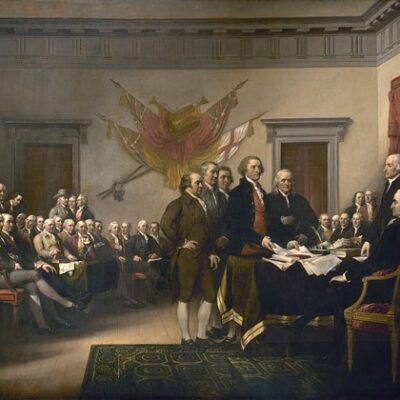
In July 4, 1776, the Continental Congress, gathered in Philadelphia, Pennsylvania, made a bold decision. In issuing the “Declaration of Independence”, they were making known their resolve to separate from the British Empire to become a nation of their own. One issue behind this decision was “taxation without representation”. Why should they pay taxes (often exorbitant!) when they had no say in the matter and would receive no benefit from them?
This year we celebrate the 250th anniversary of that landmark decision. Most of us who live in the United States of America rejoice that we have this independence, and we will celebrate this event with fireworks, hot dogs, and picnics. Many of us make sure that our children learn the value of independence and the concept of being good stewards of the freedoms we cherish.
But imagine our reaction if one of our young children suddenly presented us with a declaration of independence! This child has made up their mind that they will have a better life if they leave our house and go somewhere else. Would we bring out the fireworks and celebrate? I hope not!
There are situations in which independence is harmful, and we’ve just suggested one such scenario. Imagine another in which a patient decides they’re not going to take a certain medication any longer because of its side effects. In truth, they need that medicine; they won’t live long without it.
The younger son in Jesus’ Parable of the Prodigal Son shows the harmful effects of declaring independence from a good situation. Away from his father, the young man was exploited by deceitful “friends”. When he fell onto hard times and was starving, “no one gave him anything” (Luke 15:16). Freedom from his father’s wisdom, care, and protection was certainly not a good thing for him.
In Ephesians 4:22, Paul shows what it means to be “free” from our heavenly Father’s influence: “… your former conduct, the old man which grows corrupt according to the deceitful lusts”. That’s a good description of what the prodigal son had become as he lived independent of his father. Things don’t go so well for us when we live in a land that is distant from the Father.
What happens if we decide, as this young son did, to return home? “And be renewed in the spirit of your mind, and that you put on the new man which was created according to God, in true righteousness and holiness” (Ephesians 4:23,24). Once reunited with our Father on Whom we are truly dependent, we will find ourselves living life as it was meant to be lived (see John 10:10).
God has given us the freedom to declare our independence from Him. Before we do that, let’s think long and hard on what we’ll lose in the process. Augustine stated the matter well: “Thou hast made us for Thyself, O Lord, and our heart is restless until it finds its rest in Thee.”
Come to the light God offers! Study His word, the Bible. Worship Him in spirit and truth (John 4:24). Get in touch with us if you’d like to discuss these ideas further.
~~~~~
Copyright, 2026, Timothy D. Hall. All scripture quotations, unless otherwise noted, are from the New King James Version (Copyright, 1990, Thomas Nelson, Inc.).
“LightGrams” is produced by the Central Church of Christ, 2722 Oakland Avenue, Johnson City, Tennessee, 37601, and is written by Tim Hall, minister. It is sent free of charge every Thursday to all who request it. To subscribe or to receive more information, write to “Tim@GraceMine.org” (our E-mail address), to the U.S. mail address above, or call (423) 282-1571.
Permission to reproduce and/or use the messages for noncommercial purposes is freely granted provided the messages are not altered.